Claim Your Waived Service Call Today
Essential Drainage Services to Keep Your Property Dry
Professional Drainage Service in Conway, SC
Why Every Conway Property Needs Professional Solutions
Protect Your Property from Flooding
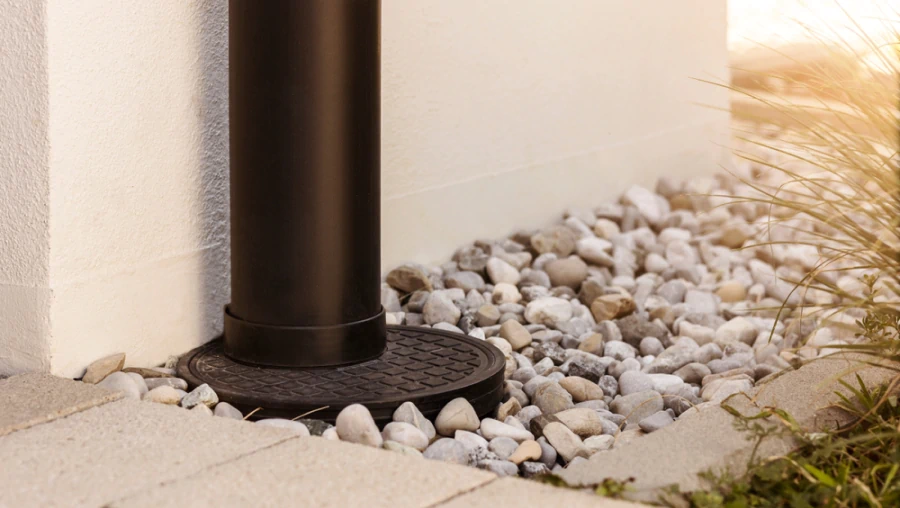
Why Conway Properties Need Effective Water Management
Property owners in Conway, SC face unique challenges when it comes to water management and drainage systems. The coastal geography and clay-heavy soils throughout Horry County create conditions where water does not naturally percolate into the ground as quickly as in other regions. Without proper drainage infrastructure, properties become vulnerable to standing water, foundation damage, landscape erosion, and even interior flooding. Drainage service addresses these challenges by designing, installing, and maintaining systems that redirect water away from structures and prevent costly damage.
The financial impact of poor drainage extends far beyond the immediate inconvenience of standing water. Foundation cracks, basement moisture, and structural settling can reduce property values by thousands of dollars and create safety hazards for occupants. Landscaping damage from erosion strips away topsoil, kills established plants, and creates unsightly channels across yards. Interior water intrusion leads to mold growth, damaged flooring, and ruined personal belongings. Professional drainage solutions prevent these cascading problems by controlling water flow before it reaches vulnerable areas.
Conway’s proximity to the Waccamaw River and numerous tributaries means that seasonal rainfall patterns create predictable stress on drainage systems. During hurricane season and the heavy rain months from July through September, properties without adequate drainage infrastructure experience repeated flooding events that compound damage over time. Each flood cycle weakens foundations, saturates soils, and increases the likelihood of catastrophic failure. Addressing drainage issues proactively protects your investment and ensures your property remains functional and valuable regardless of weather conditions.
Understanding how water moves across your property is the first step toward effective water management. Professional assessment identifies problem areas, evaluates soil composition, measures slope gradients, and determines the most effective solutions for your specific situation. This comprehensive approach ensures that drainage systems work as intended and provide long-term protection.
Identifying and Preventing Water Management Issues
The most frequently encountered drainage problems in Conway stem from inadequate grading, undersized gutters, and poorly designed landscape features. When properties are graded with insufficient slope away from foundations, water naturally pools against structures instead of flowing toward appropriate drainage points. This constant moisture exposure weakens foundation materials, creates hydrostatic pressure, and opens pathways for water intrusion. Many older properties in the area were built before modern drainage standards existed, leaving homeowners to address deficiencies decades later.
Gutter systems that cannot handle the volume of water during heavy rainfall events overflow and dump thousands of gallons directly beside foundations. Downspouts that discharge too close to structures compound the problem by concentrating water in small areas. Clay soils throughout Horry County absorb water slowly, which means that even moderate rainfall can overwhelm inadequate drainage infrastructure. Standing water becomes a breeding ground for mosquitoes, damages grass and plants, and creates muddy, unusable outdoor spaces.
Landscape features such as retaining walls, patios, and driveways often redirect water in unintended ways. Improperly installed hardscaping blocks natural drainage paths and forces water toward foundations or into low-lying areas where it cannot escape. Mulch beds and planting areas without proper drainage become saturated swamps that kill plants and attract pests. Each of these problems shares a common solution: proper drainage design that accounts for site-specific conditions and directs water to appropriate discharge points.
Prevention begins with regular maintenance and early intervention. Cleaning gutters and downspouts before storm season ensures they function at full capacity. Extending downspouts at least six feet from foundations gives water space to disperse before it threatens structures. Monitoring your property after heavy rain reveals problem areas where water pools or flows incorrectly. Addressing small drainage issues before they escalate saves thousands of dollars in repair costs and prevents the structural damage that results from chronic water exposure. When prevention is no longer sufficient, professional drainage service provides the solutions necessary to correct existing problems and protect your property long-term.
Effective Solutions for Water Management Challenges
Professional drainage solutions begin with thorough site assessment to identify water sources, flow patterns, and vulnerable areas. This evaluation determines which combination of systems will provide the most effective protection for your specific property. French drains, surface drainage channels, sump pumps, and grading modifications each serve different purposes and work together to create comprehensive water management infrastructure.
French drains consist of perforated pipes buried in gravel-filled trenches that intercept groundwater and subsurface flow before it reaches foundations. These systems work particularly well in areas where water tables rise during wet periods or where poor soil drainage creates persistent moisture problems. Proper installation requires precise grading to ensure water flows consistently toward discharge points. The depth, length, and positioning of French drains depend on property topography and the specific drainage challenges being addressed.
Surface drainage solutions capture water before it enters the ground, using channels, catch basins, and sloped surfaces to direct flow away from structures. These systems handle the immediate runoff from rainfall and prevent the pooling that damages lawns and creates muddy conditions. Channel drains installed across driveways or patios intercept water at critical points and transport it to appropriate drainage areas. Properly designed surface drainage complements subsurface systems by reducing the total volume of water that enters the soil.
Sump pump systems protect basements and crawl spaces by actively removing water that accumulates in low areas. These pumps activate automatically when water reaches predetermined levels and discharge it away from structures through dedicated piping. Battery backup systems ensure continued operation during power outages when drainage is most critical. Grading modifications reshape property surfaces to establish proper slope and eliminate depressions where water collects. This fundamental approach often provides the most cost-effective solution for properties with minor drainage deficiencies.
The combination of assessment, design, and professional installation creates drainage infrastructure that functions reliably for decades. Proper materials, correct installation techniques, and attention to site-specific conditions ensure that systems perform as intended and provide the protection your property needs.
Seasonal Maintenance and Best Practices for Homeowners
Drainage systems require regular maintenance to continue functioning effectively over time. Debris, sediment, and organic material gradually accumulate in pipes, channels, and catch basins, reducing capacity and restricting flow. Annual inspections identify these buildups before they compromise system performance. Clearing leaves and debris from surface drains after fall ensures they remain open during winter rainfall. Flushing underground pipes removes sediment that settles during dry periods and restores full flow capacity.
Seasonal considerations in the Conway area make timing particularly important for drainage maintenance. The period from March through June, before hurricane season intensifies, provides the ideal window for thorough system inspection and any necessary repairs. This proactive approach ensures that drainage infrastructure operates at peak capacity when summer storms arrive. After major weather events, checking discharge points confirms that systems handled the water volume effectively and identifies any damage that requires attention.
Property owners should monitor several indicators that signal potential drainage problems. Persistent damp spots in yards, musty odors in basements, or visible foundation cracks warrant immediate professional evaluation. Gutters that overflow during moderate rainfall indicate undersized systems or blocked downspouts. Water staining on foundation walls shows where moisture regularly contacts structures. Each of these signs represents an opportunity to address problems before they escalate into costly repairs.
Understanding when to contact a professional prevents minor maintenance issues from becoming system failures. While homeowners can handle basic tasks such as cleaning gutters and clearing surface debris, subsurface drainage problems require professional equipment and knowledge. Attempting to excavate or modify drainage systems without proper understanding of water flow and soil conditions often worsens problems rather than solving them. Professional service provides the assessment, tools, and experience necessary to maintain systems correctly and extend their operational lifespan. Regular professional maintenance protects your initial investment in drainage infrastructure and ensures your property remains protected year after year.
Professional Solutions for Complete Property Protection
Drainage systems require regular maintenance to continue functioning effectively over time. Debris, sediment, and organic material gradually accumulate in pipes, channels, and catch basins, reducing capacity and restricting flow. Annual inspections allow property owners to identify minor issues before they escalate into costly repairs or cause water damage to foundations, landscaping, or interior spaces.
During spring months in Conway, property owners should inspect gutters and downspouts for winter debris accumulation, ensuring water flows freely away from the foundation. Check that downspout extensions remain properly positioned and that splash blocks direct water at least six feet from the structure. Walk the property perimeter after heavy rainfall to identify areas where water pools or flows toward the foundation rather than away from it.
Summer thunderstorms in Horry County deliver intense rainfall in short periods, testing drainage capacity and revealing weaknesses in system design. After significant storms, inspect surface drains, French drain outlets, and sump pump discharge lines to confirm they handled the volume without backing up. Clear any vegetation or mulch that may have washed into drainage channels, and verify that grading still slopes appropriately away from structures.
Fall brings leaf accumulation that can quickly overwhelm gutters and clog surface drains. Establish a regular cleaning schedule during autumn months, removing leaves and organic debris from all drainage components. Inspect underground drain connections for tree root intrusion, particularly if you notice recurring slow drainage or standing water in areas that previously drained well.
Winter requires attention to areas where water may freeze and cause damage to drainage components. Ensure sump pumps remain operational throughout colder months, as groundwater levels often rise during winter rainfall. Disconnect and drain garden hoses, and protect exterior drainage features from freeze-thaw cycles that can crack pipes or displace grading.
Property owners should schedule professional drainage service every two to three years for thorough system evaluation and maintenance. Professionals use specialized camera equipment to inspect underground pipes, identify developing problems, and perform preventive maintenance that extends system life and maintains optimal performance.